

How Mental Health Shapes Leadership: Insights from Cesur Madatzade
- sacaaegee
- Oct 30, 2023
- 3 min read

Mental health is an integral part of our overall well-being, and its impact extends to virtually every aspect of our lives. From our daily routines to the decisions we make, mental health plays a crucial role. One intriguing dimension of this connection is how our mental health influences our leadership skills and styles. In this blog post, we will explore this vital intersection and delve into a recent training session with Cesur Madatzade, President of the European Student Forum, to shed light on the relationship between mental health and leadership.
The Interplay of Mental Health and Leadership
Leadership is not a one-size-fits-all concept. It encompasses a wide array of styles and approaches. Yet, one common thread among effective leaders is a sound state of mental health. Here's how our mental well-being can significantly impact our leadership abilities:
1. Emotional Intelligence: Leaders who possess strong emotional intelligence are more empathetic, self-aware, and better at managing their emotions. A leader with good mental health is more likely to exhibit these qualities, creating a positive atmosphere within their team.
2. Resilience: Mental health resilience is the ability to bounce back from challenges and setbacks. Leaders who maintain good mental health are better equipped to navigate obstacles and lead their teams through difficult times with confidence.
3. Decision-Making: Mental health can influence the quality of decisions made by leaders. A healthy mind is more adept at processing information, considering various viewpoints, and making informed choices, which is crucial in leadership roles.
4. Communication: Effective communication is at the heart of successful leadership. Mental health can impact one's ability to convey thoughts and ideas clearly, build trust, and maintain strong relationships with team members.
5. Stress Management: Leadership often involves high levels of stress and pressure. Maintaining good mental health enables leaders to manage stress effectively, reducing the risk of burnout and ensuring a sustainable leadership style.
Cesur Madatzade's Insights
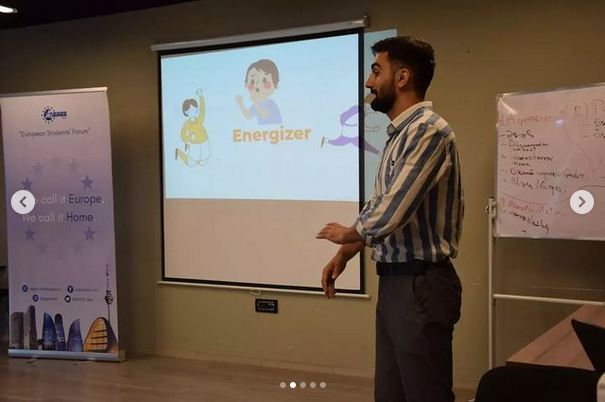
In our training session with Cesur Madatzade, we gained valuable insights into how mental health affects leadership. He emphasized the following points:
1. Self-awareness: Leaders must first understand and manage their own mental health to lead effectively. Self-awareness is the foundation upon which they can build better leadership skills.
2. Empathy: Leaders who prioritize their mental health are more empathetic toward their team members, making them more approachable and understanding of their needs.
3. Balance: Maintaining a work-life balance is crucial for leaders to sustain their mental health. Burnout can undermine their leadership style, so finding equilibrium is essential.
4. Seeking Help: Cesur Madatzade encouraged leaders to seek professional help or support when necessary. Acknowledging when your mental health needs attention is a sign of strength, not weakness.

Conclusion
The connection between mental health and leadership is undeniable. Our mental well-being shapes the way we lead, communicate, make decisions, and interact with our teams. It's clear that fostering good mental health is not only a personal priority but also a key factor in becoming an effective leader.
The training with Cesur Madatzade and the European Student Forum serves as a reminder of the importance of addressing mental health within the leadership context. It is crucial that leaders, aspiring or established, prioritize their mental health as they embark on their journey to lead with empathy, resilience, and wisdom.

We hope that the insights shared in this blog post will inspire you to further explore the connection between mental health and leadership and take steps to nurture both in your own life. Mental health and leadership are inextricably linked, and recognizing this connection can help us all become better leaders in our personal and professional lives.


Comments